日期:1150902
年級:二年級
課程設定:issues about the self-portrait
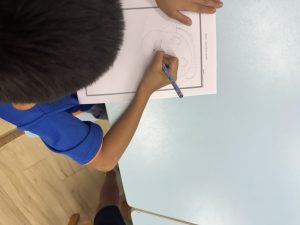
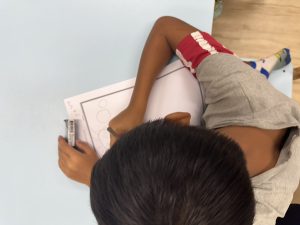
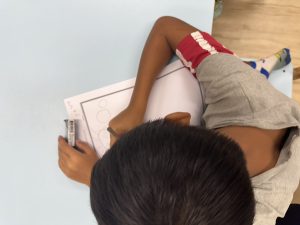
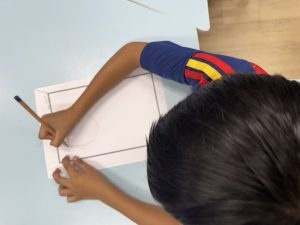
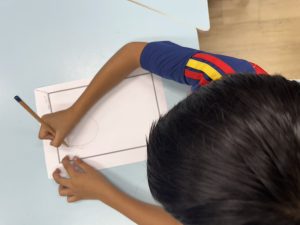
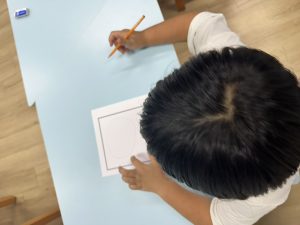
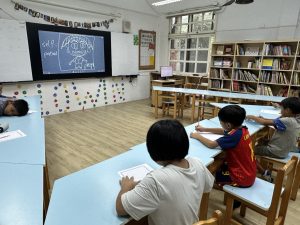
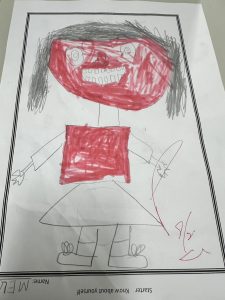
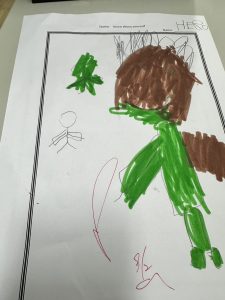
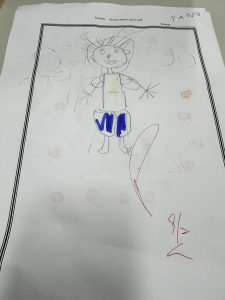
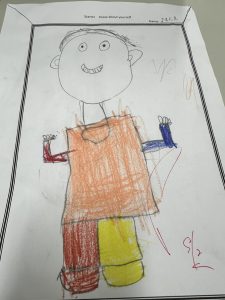
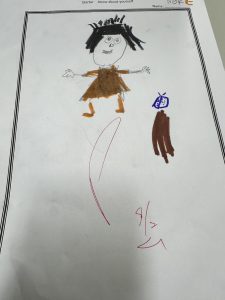
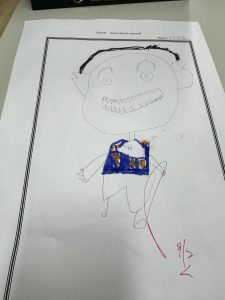
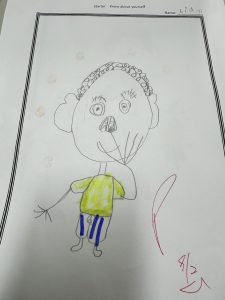
在偏鄉與原住民部落推動國際教育,關鍵往往不在於引進多少外來資源,而是如何讓孩子從「看見自己」開始,進而學會「理解他人」。本次東澳國小二年級《認識自己與周遭》的雙語及生活課程,以「圖像法」為核心,帶領孩子透過繪畫創作自我肖像,並延伸至對師長與外師 Teacher Josh 的觀察。 從課堂作品中可以看到,低年級孩子們用充滿張力與純真的線條,畫出了屬於自己的色彩與特徵。孩子在紙上塗抹的每一筆,不僅是視覺符號的表達,更是一次深層的自我對話。當孩子能專注於描繪自己的五官、服裝與表情時,代表他們正在建立對自我主體的認知與自信;而隨後透過圖像去觀察中外籍教師,則是將這份認知延伸至「他者」的過程。 這樣的教學設計打破了傳統語言學習偏重單字與文法的框架,改以「視覺符號」作為跨越語言障礙的橋樑。在文化與語言背景交織的教室裡,圖像成了最平等且具包容性的溝通工具。孩子們不需擔心英文字詞量不足,就能直接透過畫筆表達觀察與感受,並在欣賞同伴與外師作品的過程中,自然而然地學習尊重、理解多元文化。這種從在地自我認同出發、涵育國際視野的教學實踐,讓國際教育不再是遙遠的口號,而是真實發生在課堂每一刻的文化理解與情感交流。
“Hello everyone. In rural and Indigenous education, true global learning begins when students first learn to see themselves before reaching out to understand others.
In our Grade 2 class at Dong’ao Elementary, we used self-portraits as a bridge for connection. Through visual art, the children painted their own physical features, colors, and unique personalities. Drawing was more than just fun—it was a powerful tool for self-discovery and confidence.
We then expanded this visual language to observe and depict our teachers, including our foreign teacher, Teacher Josh. By using art instead of relying strictly on complex vocabulary, every child could express their observations freely regardless of language barriers.
This approach shows that international education isn’t about distant theories. It begins right here in the classroom—building self-identity, breaking language barriers, and fostering genuine cultural appreciation from the ground up.”