日期:1140514
年級:一至六年級
課程進度: 評量在教育過程中扮演著關鍵角色
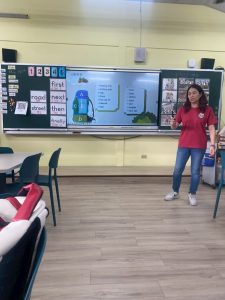
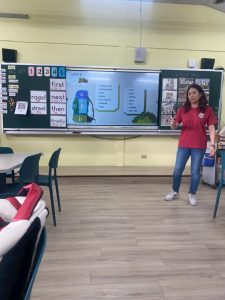
學生評量的好處,今天的研習,講師,張穎玟,Coco老師,
聽完Coco老師今天所分享的無論是如何評量對各年級所需的評分佔比,該年級段孩子所應該接受多少百分比的分數、如何將試題素養融入在試題評量內,發現有著異曲同工之妙之處,那就是要花更多的時間在備課上,針對著各年級、各個孩子們程度不一的角度去設定題目,如何讓低成就的孩子視評量試題富有[挑戰性]之方向,讓高成就的孩子認為這樣子評量出題方向是讓他們有著不同的試題方向,簡言之,看著題目就是立即有高顯著的程度化差異性,而並非一貫性的既定試題.
(左圖為如何定義評量?右圖為333原則,若有爬山之授課教師、學生、任何一人想必是了解這是什麼原理? 野外求生須掌握「333原則」,3小時內保暖,3天飲水,3周飲食,但切勿花費力氣找尋食物,以免失溫、脫水導致意外。)
不過,話又說回來,這必須靠時間的累積,課程準備的方向、設定課程的訂定目標、明確的學習方向,配合各班導做平日與科任老師配合度相符合的學習方針,最重要的就是孩子們的學習動機、學習興趣必須是hyperactivity(高度抗奮)的狀態下,擁有著高強度的學習態度、教師要有打破傳統但且要保有基本架構的學習態度,大膽性的嘗試教師所準備的課程設定,在該節課之進度予以進行檢討、討論,用”打破沙鍋問到底”的學習精神來保持學習的高度維持,即便是掉了下來,也是要清楚了解到,你錯的地方為何?再持續調整、配合、改正,將錯誤的訊息轉內化成自己的知識庫,一點一滴慢慢累積成你在未來或許會碰到的難題功課再用多種的方式來解決,其目的就是要孩子多做選擇性的選項內容,但今天我所聽到的重點釋出一個重要的訊息,在學習的過程當中,有如火車正要上車、準備到站下車的旅客一樣,有人會上車、有人會選擇下車,因為每個人的學習方向不一、學習能力會因此因人而異有所明顯地差異分別。
評量(assessments)在教育過程中扮演著關鍵角色。在課程設定之課程所引導出來的好處,我亦然附上具體真實例句:
1. 評量理解的方向
• 好處:評量會幫助教育者評估學生對課程設定教材的理解程度與否。
• 例子:英語的句子,基本架構在三年級階段必須要清楚了解單詞及句子有何分別?低成就些學生需要進一步的支持。
2. 識別學習差距
• 好處:評量凸顯學生在某些領域的困難,便於進行針對性的干預教學。
• 例子:如果許多學生在閱讀理解測試中表現不佳,英師可以重新強調該學習技能並提供額外資源,例如kahoot。
3. 鼓勵學生參與
• 好處:定期的評量可以激勵學生保持對教材的參與感(sense of participation)。
• 例子:互動式評量,像是兩人一組(two in a group)如小組專案或報告,可以促進彼間的合作和對課程設計之學習的熱情。
4. 指導教學
• 好處:教師可以根據評量結果調整教學策略(learning strategy )。
• 例子:如果評量顯示學生在理論概念上表現優異,例如在低年級所看到的狀況如實所在於我跟孩子們用Lokah suga的歌曲應用在英語課本裡的基本學科,但在實際應用上有困難,教師可能會納入更多的實作活動,簡單來說,就是要執行且落實,要孩子深思熟慮地去想[你到底要做什麼?]、[此設計課程的教學目的為何?]
5. 提供反饋:這塊我稱之為exit ticket 321(學生反思回饋321)
• 好處:評量為學生提供有關他們進步和改進學科領域的反饋思想。
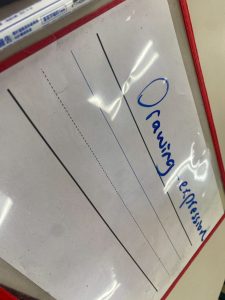
(上圖,低年級的課程設定,字母大小寫的區分及口述練習)
• 例子:在寫作作業後,對中高年級的孩子,面對句型架構之語法和論證句子結構的詳細反饋幫助學生完善他們的對英語技能的語感。
•
6. 促進自我評估(這是最後階段我最想要分享的部份)
• 好處:學生學會評估自己的作品,培養獨立性思考(individual thinking)






 )能力和
)能力和
批判性思考能力(critical thinking)。
• 例子:使用評分規準進行同儕評審,其目的就是練就孩子們持[同理心]來鼓勵學生
評估同學的作品並反思自己的表現。
7. 為未來各階段挑戰做足準備
• 好處:定期的評量為學生未來的學術挑戰和標準化考試做好準備。
• 例子:無論是小學至國中的能力暨智大測驗來應對在未來的大學入學考試的練習考
試幫助學生熟悉考試的對應格式和問題延伸之類型。
8. 鼓勵終身學習(對孩子的言語持續給予鼓勵)
• 好處:評量有助於培養成長心態,鼓勵學生將挑戰視為成長的機會。
• 例子:用不同的方式來慶祝考試成績隨時間改善強化了努力會帶來成功的觀念。
結論
我真心覺得評量是教育過程中的重要組成部分,提供了增強教學和學習的多種好處。通過有效利用評量,英師可以為學生創造更具支持性和吸引力的語言學習環境。
Date: 1140514
Grade Level: 1-6
Lesson Progress: Assessment plays a key role in the educational process
The benefits of student assessment, today’s workshop, with instructor, Ms. Coco Chang.
After listening to Ms. Coco’s sharing on how to assess the percentage of scores needed for each grade level, what percentage of scores children should receive for that grade level, and how to incorporate test literacy into test assessment, we found that there is a similarity and similarity, that is, we need to spend more time on lesson planning, to set questions for each grade level and for the different levels of children, and how to make the low-achieving children see the assessment questions as rich, and how to make the low-achieving children see the assessment questions as important. How to make low-achieving children see the assessment questions as challenging, and high-achieving children see the assessment questions as giving them a different direction, in short, looking at the questions as immediately having a high degree of variability, rather than a consistent set of questions.
(The left figure is how to define the assessment? The right figure is the principle of 333, if there is a mountaineering instructor, students, anyone must understand what this principle? Survival in the wilderness requires mastery of the “333 Principle”, keep warm within 3 hours, drink water for 3 days, and eat for 3 weeks, but don’t spend effort looking for food to avoid accidents due to loss of warmth and dehydration).
However, then again, this must rely on the accumulation of time, the direction of curriculum preparation, set the prescribed objectives of the curriculum, a clear direction of learning, with the classroom guidance to do weekdays and subject teachers with the degree of cooperation in line with the learning objectives, the most important thing is that the children’s motivation to learn, interest in learning must be hyperactivity (highly resistant to excitement) in the state of possession of a high degree of learning attitudes, teachers, and teachers. To have a learning attitude that breaks with tradition but maintains the basic structure, boldly try the curriculum settings prepared by the teacher, review and discuss the progress of the lesson, and maintain a high level of learning with the learning spirit of “breaking the casserole to the end”, even if it is down, it is also important to clearly understand that you are wrong, why? And then continue to adjust, cooperate, correct, internalize the wrong information into their own knowledge base, little by little slowly accumulated into the future you may encounter difficult homework and then use a variety of ways to solve the problem, the purpose is to make the child more selective option content, but today I heard the focus of the release of an important message in the learning process, as the train is about to get on the train, ready to get off the station passengers! Some people will get on the train and some will get off, because everyone’s learning direction is different and their learning ability will vary significantly from person to person.
Assessments play a key role in the educational process. I have also included specific real-life examples of the benefits derived from the lessons in the curriculum:
1. Assessing the direction of understanding
– Benefit: Assessments help educators assess students’ understanding of the material in the curriculum.
– Example: The basic structure of an English sentence, at the third grade level, requires a clear understanding of the difference between a word and a sentence. Lower-achieving students need further support.
2. Identifying Learning Gaps
– Benefit: The assessment highlights areas where students are struggling and allows for targeted interventions.
– Example: If many students perform poorly on a reading comprehension test, teachers can re-emphasize that learning skill and provide additional resources, such as kahoot.
3. Encourage student engagement
– Benefits: Regular assessments can encourage students to maintain a sense of participation in the material.
– Example: Interactive assessment, such as two in a group (e.g., group project or report), can promote collaboration and enthusiasm for learning about the curriculum design.
4. Directed Teaching
– Benefits: Teachers can adjust their learning strategy according to the assessment results.
– Example: If the assessment shows that students are doing well on theoretical concepts, such as what I saw in the lower grades when I used the Lokah suga song with the children to apply basic subjects in the English textbook, but are having difficulty with practical application, the teacher may incorporate more hands-on activities, which in short, means implementing and enforcing the concepts, and asking the children to think about them. The teacher may incorporate more hands-on activities. In short, the teacher may implement and enforce the activities, asking the child to think deeply and thoughtfully about [what are you really going to do?] What is the purpose of this designed program?
5. Provide feedback: This piece I call exit ticket 321 (Student Reflective Feedback 321)
– Benefit: The assessment provides students with feedback ideas about their progress and improvement in the subject area.
(Above, lower level curriculum setup, letter case differentiation and oral practice)
– Example: After writing assignments for middle and upper grades, detailed feedback on the syntax of sentence structure and argumentative sentence structure helps students refine their sense of English language skills.
–
6. Facilitating self-assessment (This is the last part I want to share)
– Benefits: Students learn to evaluate their own work and develop individual thinking and
critical thinking skills.
– Example: Peer review using a marking scheme is designed to practice [empathy] to encourage students to
evaluate the work of their peers and reflect on their own performance.
7. Preparing for the Challenges of the Next Stages
– Benefit: Regular assessments prepare students for future academic challenges and standardized tests.
– Example: The Aptitude and Intelligence Tests for both primary and secondary schools are used to prepare students for practice exams in future university entrance exams.
helps students to familiarize themselves with the format of the exams and the types of extended questions.
8. Encouragement of lifelong learning (continuous encouragement of the child’s speech).
– Benefits: Assessment helps foster a growth mindset and encourages students to view challenges as opportunities for growth.
– Example: Celebrating test scores in different ways over time reinforces the idea that hard work leads to success.
Conclusion
I truly feel that assessment is an important part of the educational process and offers many benefits to enhance teaching and learning. Through the effective use of assessment, teachers can create a more supportive and engaging language learning environment for their students.